Future Mars Interior Design: A Space Color Palette Guide
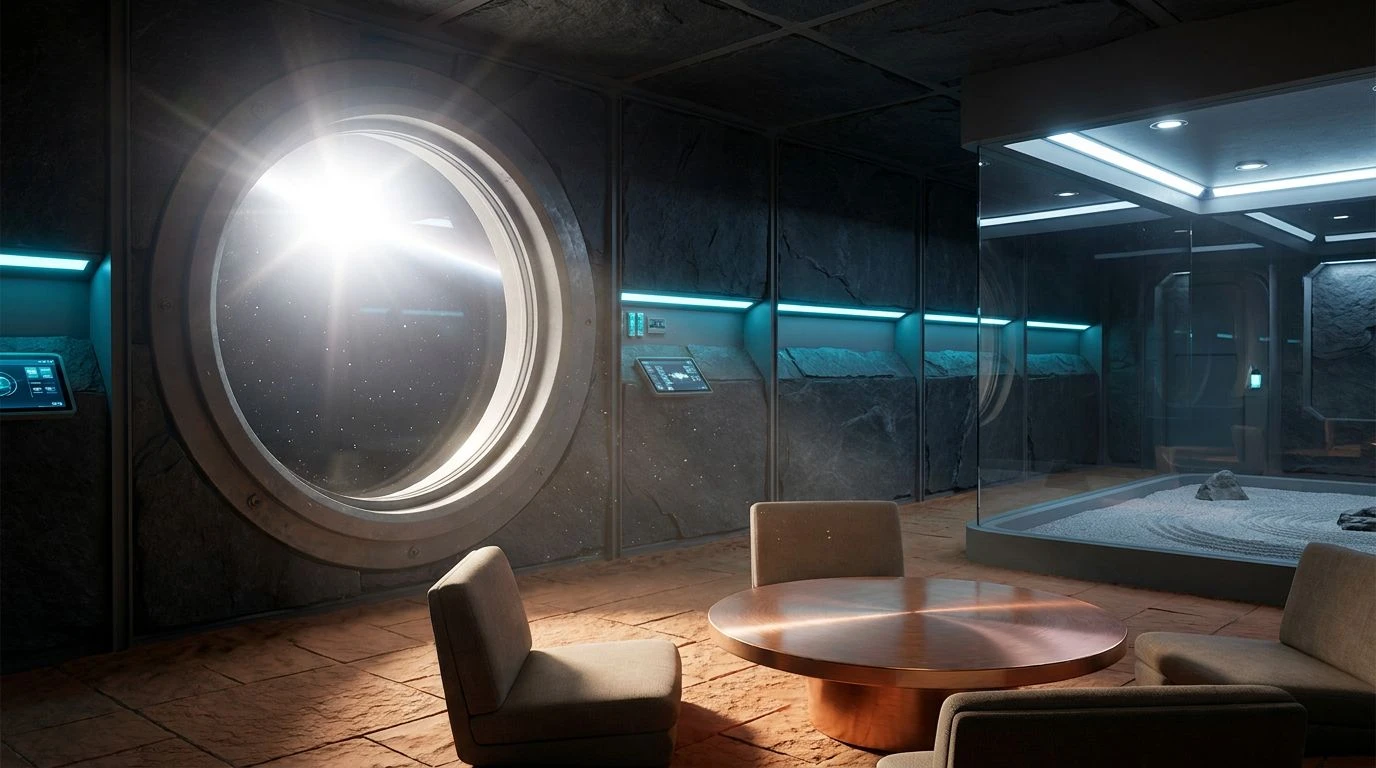
· 6 min readWhen the first commercial shuttles finally touch down on the dusty red expanse of our neighboring planet, the interior design of those early habitats will tell a compelling story about human psychology. Forget the sterile, blindingly white corridors of mid-century science fiction cinema. Living in a pressurized tin can millions of miles from the nearest breathable atmosphere requires a visual strategy that keeps astronauts from losing their minds. The aesthetic will likely be an engineered collision of survival and nostalgia. On one hand, you have the inescapable presence of artificial life support represented by that piercing, synthetic cyan of touchscreens and hydroponic monitors, a color screaming of high-tech vitality. On the other hand, to prevent total sensory alienation, the physical spaces themselves must be drenched in the grounding, muddy, and imperfect hues of the home world we left behind. We need the visual equivalent of soil to stay sane.
Terrarium Dreams 🌿
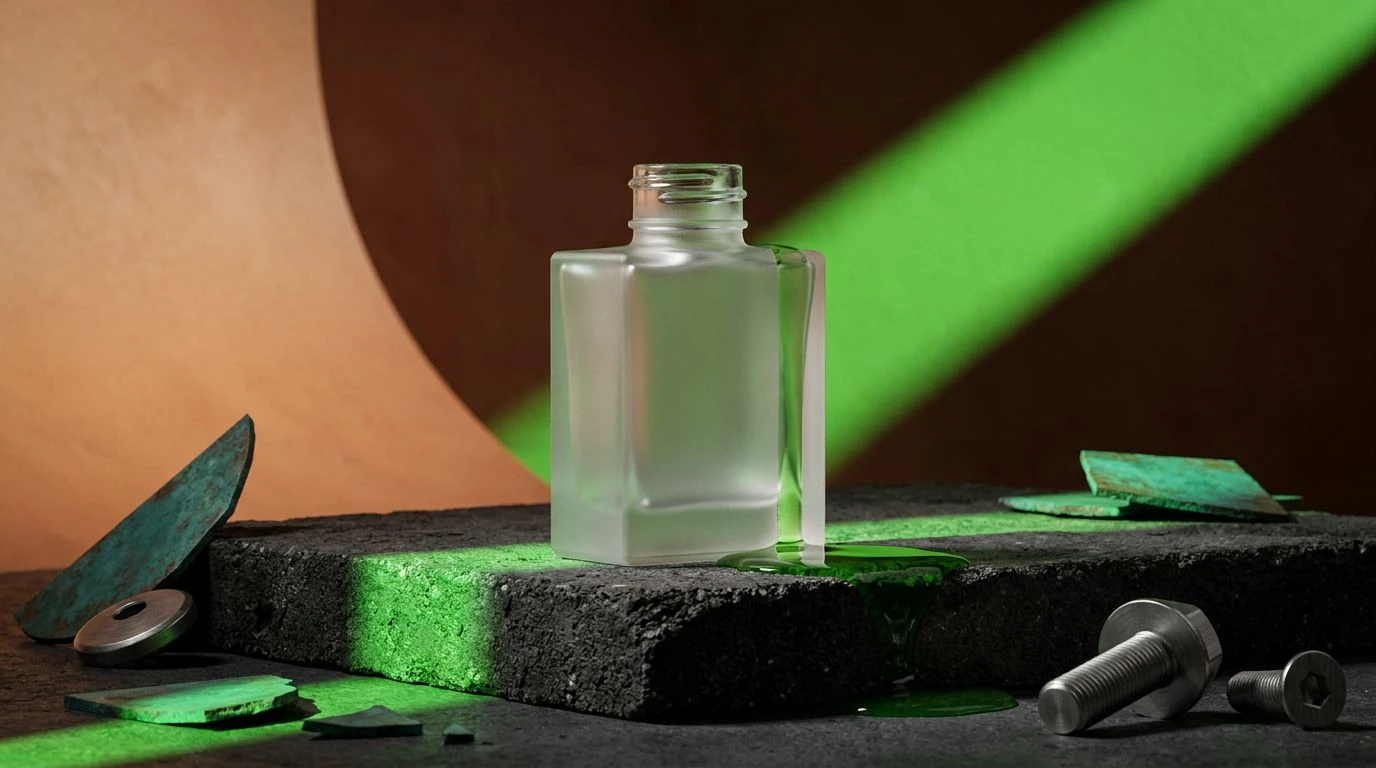
The reality of extraterrestrial living means surrounding ourselves with simulated nature. Terrarium Dreams plays exactly to this desperate need for organic matter, contrasting the harsh, glowing cyan of the habitat’s computer terminals with shades you might find in an English garden after a heavy rain. When a settler looks up from a screen displaying vital oxygen metrics, their eyes need to rest on something that feels distinctly terrestrial. The rich, ruddy warmth of Martian Rust and Deep Loam grounds the space, serving as a reminder of the dirt beneath our boots, while the quiet greens of Hydroponic Sage and Algae Bloom trick the brain into sensing fresh vegetation. Against the inky depths of Void Shadow, these natural tones create a sanctuary. Bleached Bone provides a soft, unthreatening neutral that keeps the claustrophobia at bay, offering an environment that feels less like a laboratory and more like a rugged, deeply comforting greenhouse waiting at the edge of the universe.
Airlock Nostalgia 🚀
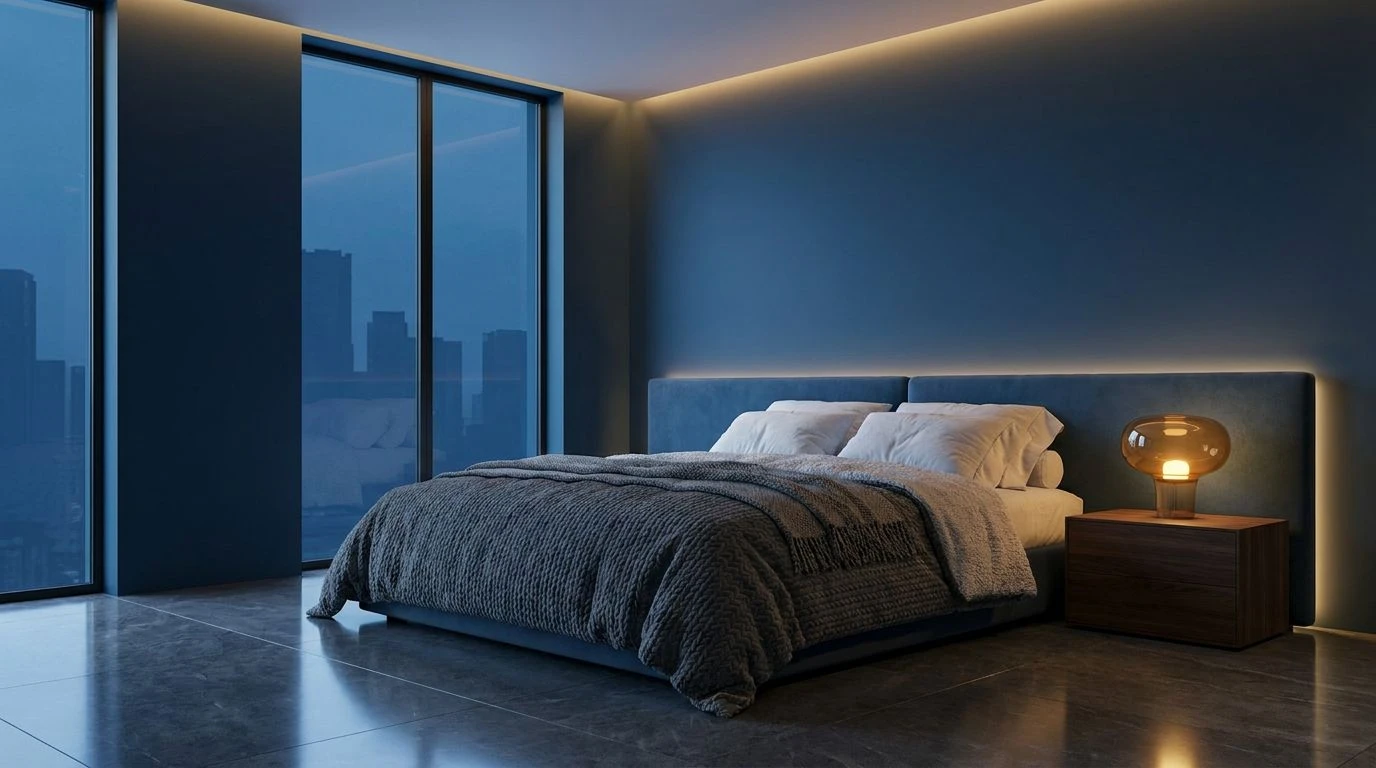
Moving between the freezing vacuum outside and the heavily regulated climate inside requires a transition zone that manages expectations. Airlock Nostalgia provides the precise psychological padding for this journey. You can picture the bright, almost aggressive strike of high-tech cyan highlighting the heavy mechanical handles, while the surrounding architecture relies on Fired Clay and Oceanic Memory to whisper quiet assurances of Earth. This collection does not pretend space travel is entirely safe; Titanium Shell and Outer Dark offer a stark, unblinking acknowledgment of the dangerous reality just beyond the glass. Yet, the inclusion of soft, worn textures implied by Basalt Dust and Carbon Plating brings a distinctly human scale to the engineering. It feels like a well-worn leather jacket thrown over a spacesuit. The muted terracotta warms up the clinical whites and blacks, creating a mess hall or prep room that feels reassuringly heavy, solid, and capable of keeping the crushing nothingness firmly outside.
Solar Pioneer ☀️
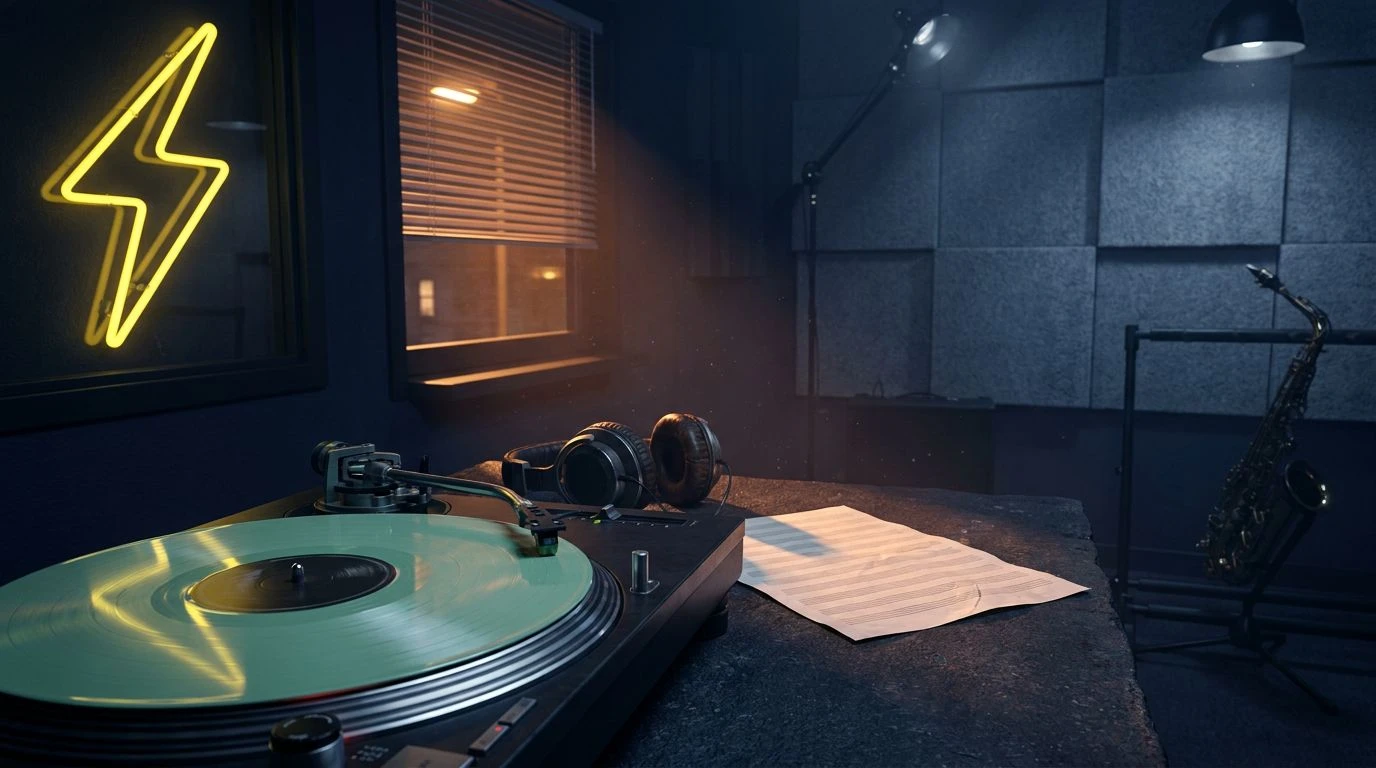
Imagine waking up to a simulated sunrise filtering through the reinforced windows of a subterranean habitat. Solar Pioneer captures that exact morning ritual, where the intense glare of a new world meets the comforting familiarity of earthly deserts. The sharp, digital readouts in their inescapable neon cyan cut right through the warmth of Heated Copper and Desert Sand, creating a beautiful tension between machine precision and rugged exploration. This aesthetic is perfectly suited for communal lounges and recreation sectors, places where settlers gather to shake off the isolation of their sleeping quarters. Solar Glare and Deep Space provide the necessary high-contrast framing, much like the shadow lines of a crater, while Meteor Slate and Lunar Ash add a utilitarian durability to the surfaces. It is a visual language that acknowledges the harshness of the frontier but chooses to celebrate its rugged beauty. The resulting atmosphere feels optimistic, charged with the energy of human endurance and the simple joy of warm light hitting rough textures.
Archive of Earth 📚
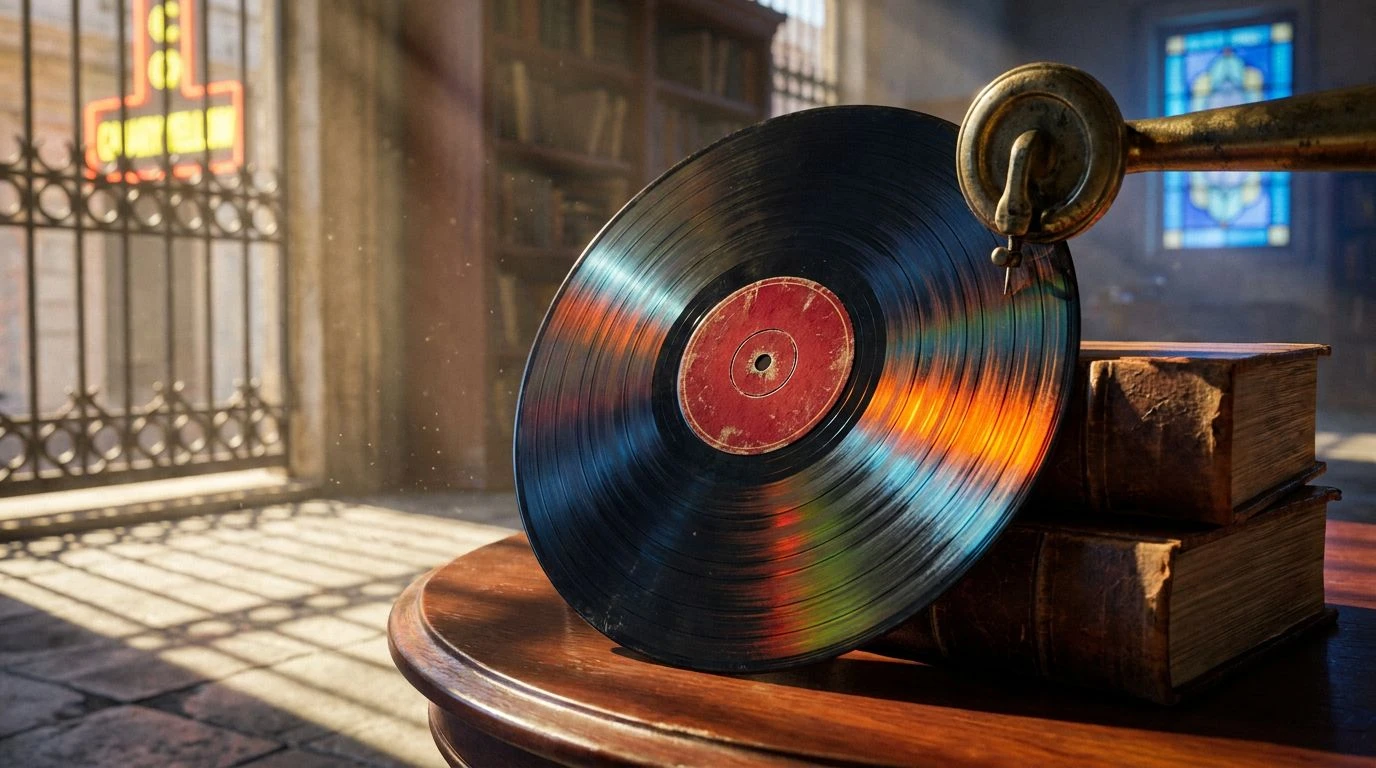
When constructing a permanent home on a lifeless rock, there is a profound urge to bring our history with us. Archive of Earth serves as a visual museum of human comfort, offering a palette that feels plucked from a mid-century library rather than a futuristic space station. The electric shock of a cyan interface screen feels almost rebellious when set against the quiet dignity of Tarnished Brass and Faded Blueprint. This selection belongs in the private quarters and study areas of the colony, spaces demanding quiet reflection and intellectual warmth. Walnut Console and Worn Linen provide a textural richness that counteracts the sterile reality of printed walls and synthetic recycled air. The subtle optimism of Morning Sun and the historic weight of Dried Rose suggest a culture that remembers where it came from. By leaning heavily into these antiquarian shades, the environment refuses to be defined solely by the cold mechanics of survival, choosing instead to wrap its inhabitants in the familiar, comforting blanket of long-standing human tradition and quiet academic retreat.
Basecamp Horizon ⛺
The psychological toll of living entirely indoors, dependent on machines for every breath, is massive. Basecamp Horizon attacks this problem by simulating the rugged, outdoorsy aesthetic of terrestrial expeditions. It is an aesthetic built for the practical areas of the settlement, from the geological laboratories to the staging grounds for rover excursions. Against these colors, a bright cyan tracking beacon or environmental sensor feels purposeful and sharp. Weathered Canvas and Camel Hair offer the visual equivalent of durable outdoor gear, implying that the people here are not mere passengers, but active explorers interacting with their environment. Frost Ridge provides a crisp, clean backdrop that maximizes available light without causing visual fatigue, while Graphite Seam grounds the architecture with a sense of sturdy, industrial purpose. The sudden, refreshing splash of Deep Water introduces a vital psychological cue, a reminder of our vast oceans, standing in stark, necessary contrast to the dry, red dust that coats everything just beyond the airlock.
Designing the initial human foothold on another planet will demand far more than basic structural engineering; it will require a masterful manipulation of our visual surroundings to maintain our collective sanity. The glowing, artificial cyan of our survival tech is a constant reminder of our precarious situation, a vibrant thread of digital life support. Yet, as these varying earthly arrangements demonstrate, that high-tech brilliance only works when anchored by the profoundly familiar. From the damp greens of a simulated garden to the weathered tones of an explorer's camp, returning to these grounded, muddy, and historic hues is what will ultimately make a hostile alien world feel something resembling home. We will conquer the stars not just with rockets and mathematics, but with carefully chosen shades of rust, clay, and ocean water.