Future Design Trends: Warm Earthy Color Palettes for 2026
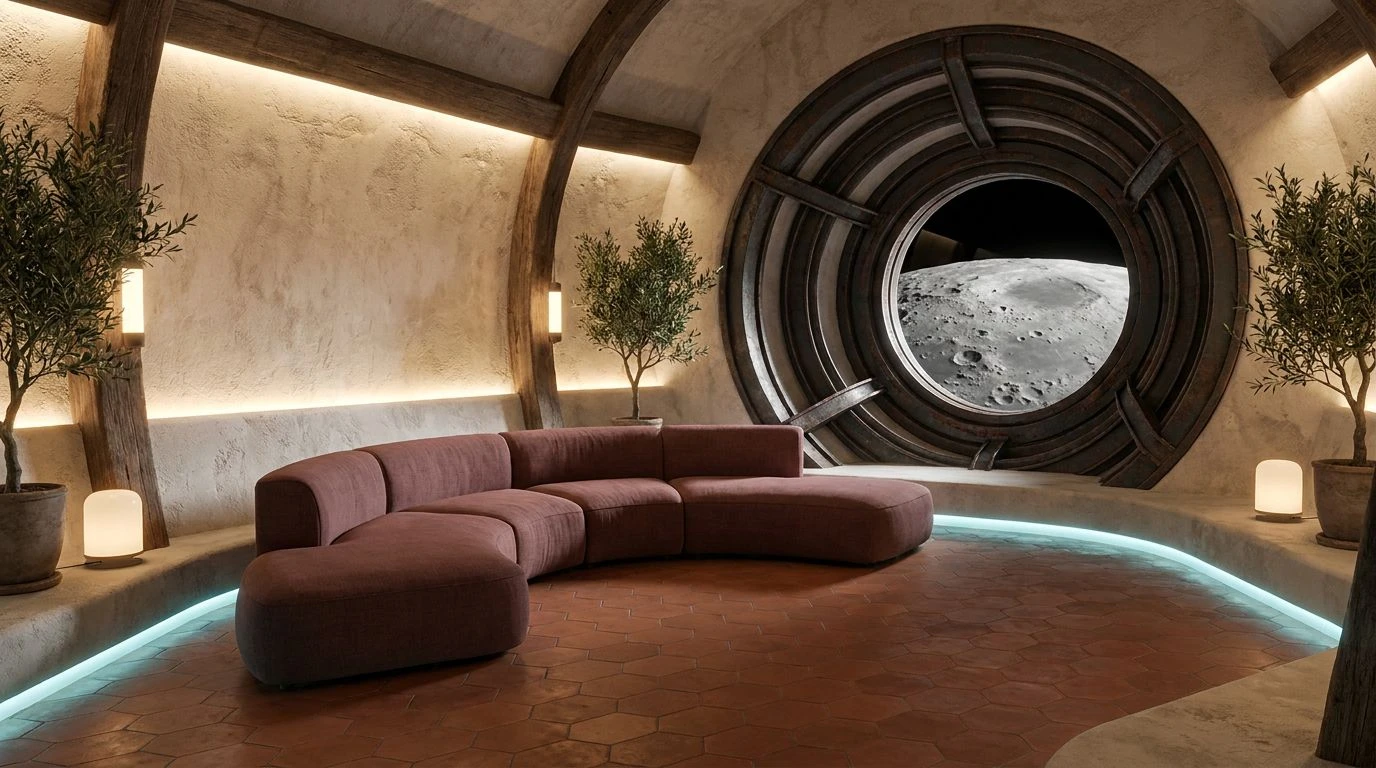
· 5 min readFor decades, the visual language of the future was relentlessly sterile. We were promised floating clinics of stark white and chrome, environments completely devoid of anything resembling terrestrial messiness. Yet, as we hurtle toward the late 2020s, the design compass of aerospace and financial technology is pointing somewhere entirely unexpected: the dirt. A space station in 2026 is far less likely to look like a surgical ward and far more likely to feel like a Tuscan farmhouse. This shift swaps clinical alienation for deep, grounding warmth. By placing rich baked clay and raw linen alongside quiet atmospheric blues, the spaces where we navigate zero gravity suddenly become unmistakably human. The further we travel from our home planet, the more desperately we need its terrestrial color palette to keep us sane.
Orbital Hearth 🪵
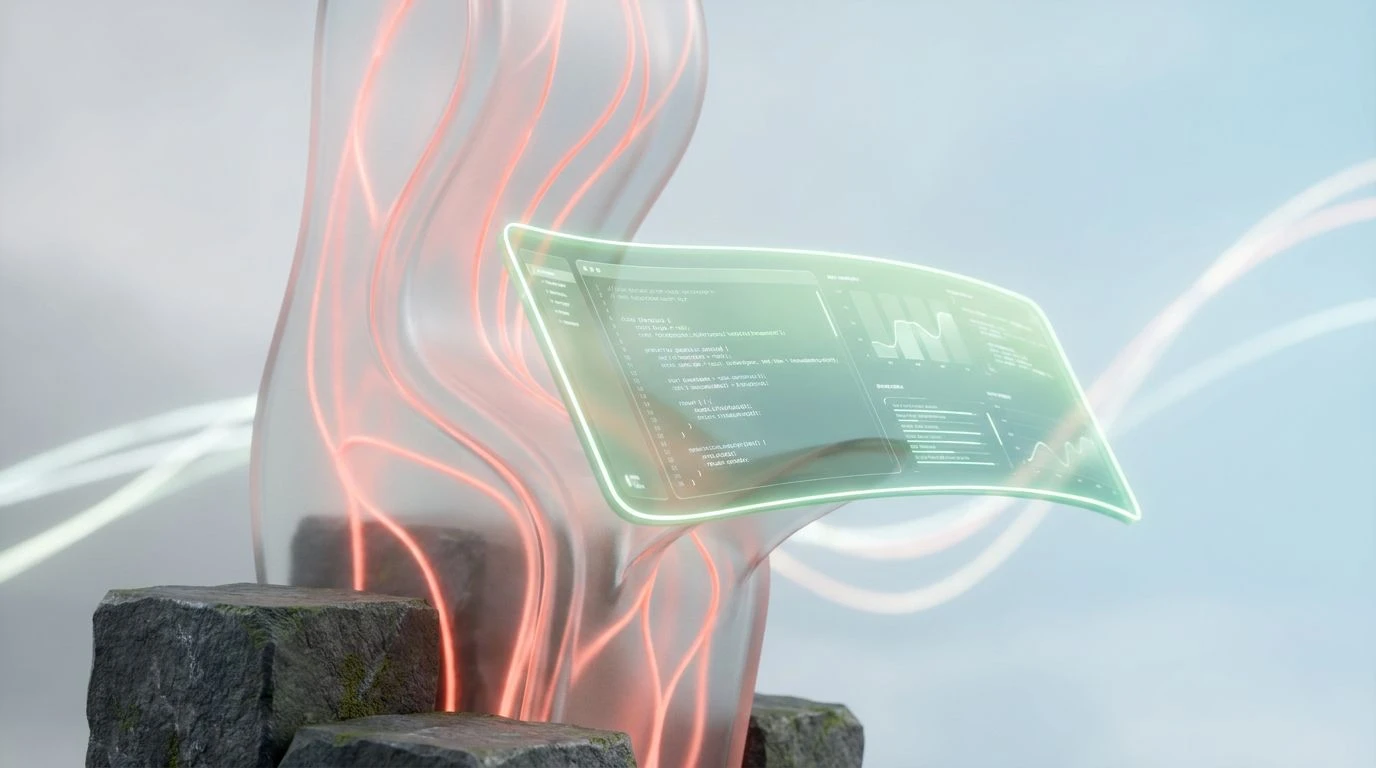
The transition from purely mechanical spaces to habitable homes in orbit requires a serious aesthetic rethinking, one perfectly captured in Orbital Hearth. The stark contrast between the bright Alabaster Dust and the pitch dark Void Carbon creates a necessary architectural framework, giving the eye a place to rest in an otherwise directionless environment. But the real magic happens in the middle ground. Kiln Fired Clay offers a visceral reminder of baked earth and raw pottery, rooting the high tech surroundings in something distinctly ancient. Weathered Stone acts as a quiet mediator, while a stroke of Deep Stratosphere brings a calm, calculating intelligence to the room. It feels exactly like sitting in a rustic dining room while plotting a trajectory to Mars. Financial institutions looking to project both radical innovation and historical permanence can adopt this exact mood, proving that looking forward does not require abandoning the tactile comforts of the past.
Astrobotanical Garden 🌿
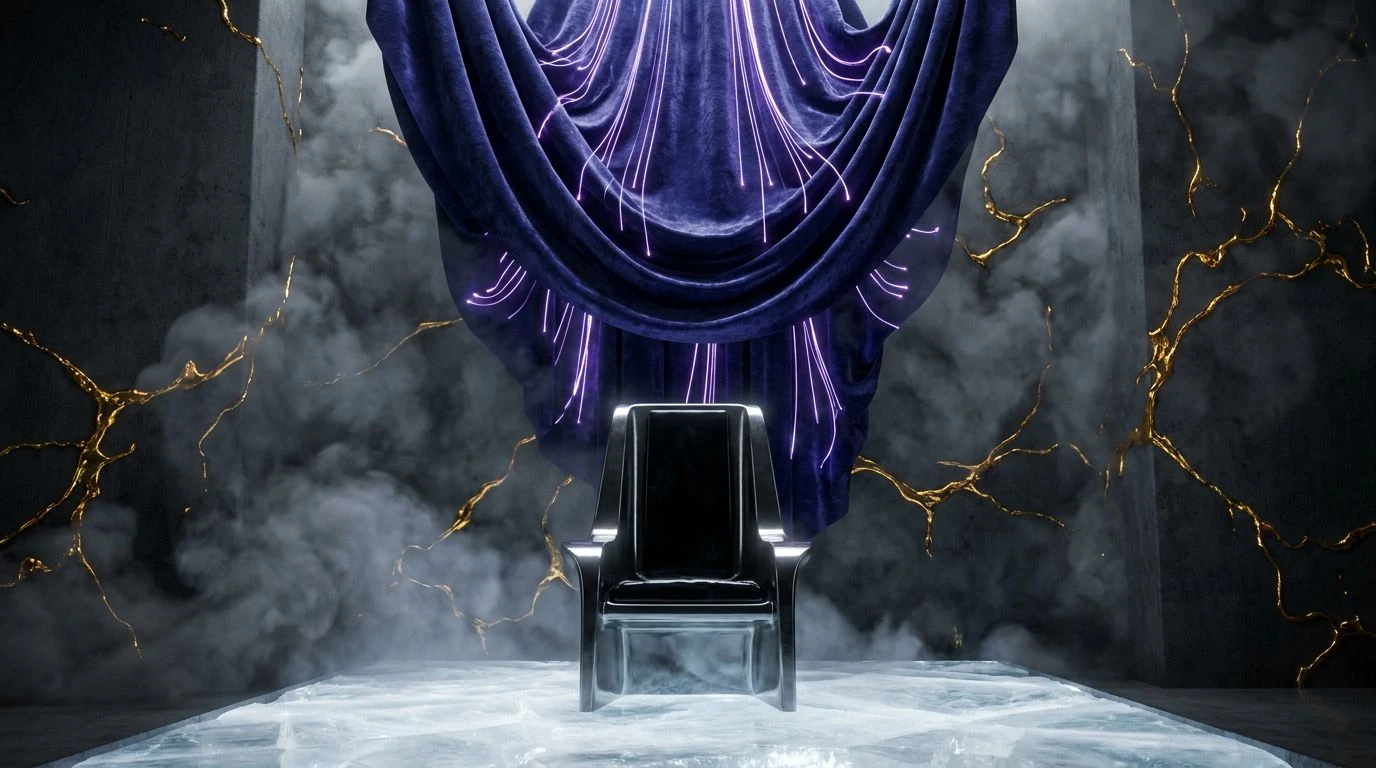
If the previous approach relies on quiet dignity, Astrobotanical Garden leans entirely into the surreal collision of agriculture and extreme engineering. Here, the traditional terracotta family takes a surprisingly vibrant turn with Sunbaked Ochre and Rich Loam, suggesting nutrient dense soil rather than dry desert dust. Raw Earthenware provides a gentle base for this greenhouse in the stars. Then comes the shock of the new. The aggressive, almost chemical vitality of Bioluminescent Sprout and Cybernetic Mint completely disrupts the rustic narrative, introducing an unapologetically futuristic edge. Glacial Frost and Oxidized Copper cool the entire system down, ensuring the high octane greens do not overwhelm the senses. This is the perfect visual language for a space station hydroponics bay or a disruptive fintech startup that wants to scream organic growth while undeniably operating in a hyper digital realm. It is agriculture reimagined for an era of synthetic biology.
Martian Fresco 🏺
There is a distinct, poetic melancholy to Martian Fresco that makes it brilliantly suited for long haul space travel or high stakes trading floors where stress runs notoriously high. The deeply saturated Iron Oxide feels almost aggressive until it is softened by the gentle, fading warmth of Dusty Rosewood, recalling ancient Mediterranean murals peeling under a hot sun. Against the clinical perfection of Chalk Plaster, these earthy tones look even more beautifully imperfect and entirely human. Lunar Ash provides a necessary neutral shadow, keeping the temperature from rising too high. The addition of Faded Cyan acts like a distant memory of a clear sky or an open ocean, offering psychological relief in confined quarters. Designers mapping out the next generation of orbital living quarters could use these tones to create spaces that feel lived in from the moment the airlock cycles shut, faking a sense of history where none previously existed.
Monolith & Mud 🧱
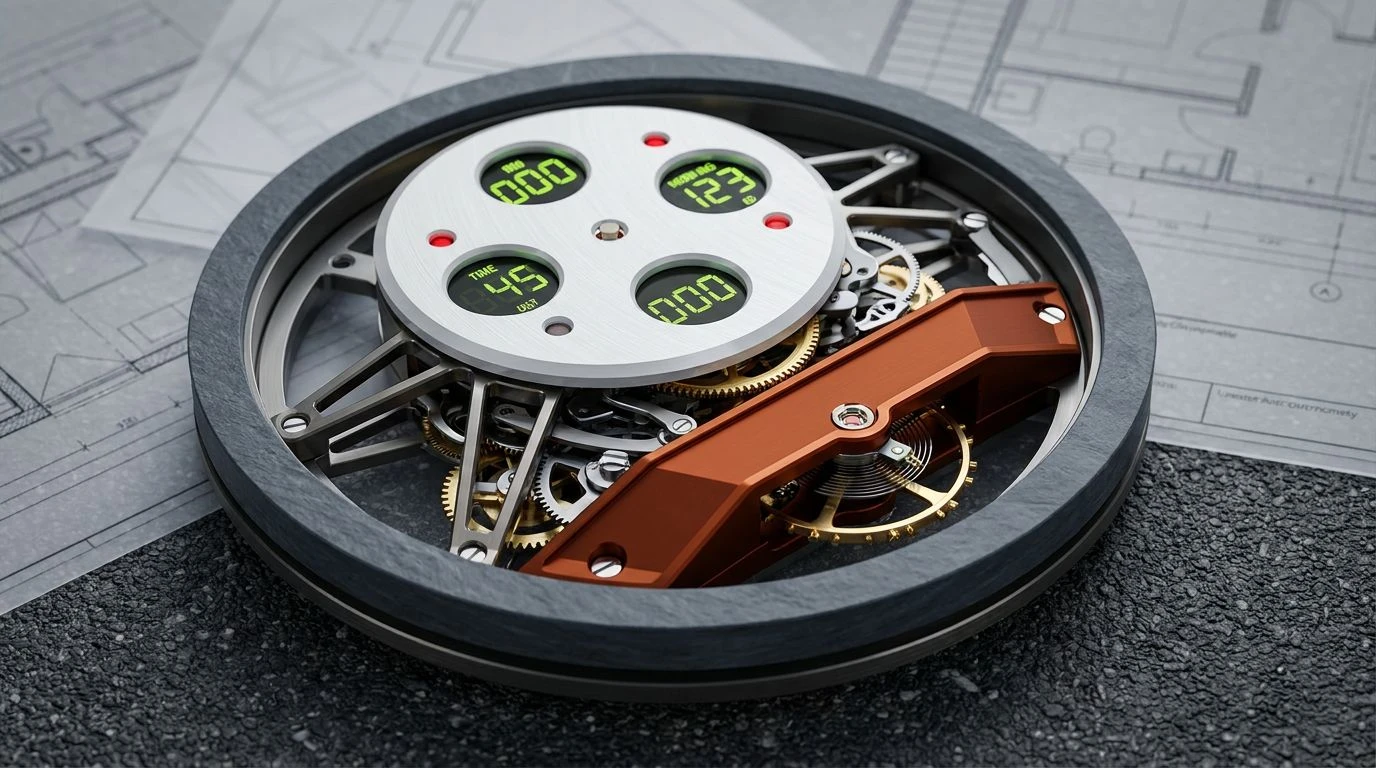
Monolith & Mud strips the concept down to its absolute barest bones, pitting the unforgiving extremities of space against the comforting dirt of home. The starkness of Pure Titanium alongside Absolute Zero is exactly what we expect from futuristic aerospace design. It is cold, precise, and entirely unforgiving. Industrial Steel bridges the gap between these extremes of light and dark. But just as the room threatens to become entirely hostile, the sudden appearance of Crushed Brick and Desert Sand changes the emotional temperature entirely. These tones bring the mud, the clay, and the heat of a terrestrial summer straight into a vacuum. This specific tension is incredibly useful for modern financial architecture, where institutions want to project the terrifying, mathematical precision of their algorithms alongside a folksy, trustworthy, boots on the ground warmth. It is a visual balancing act between cold logic and human instinct.
Sedimentary Interface 🏜️
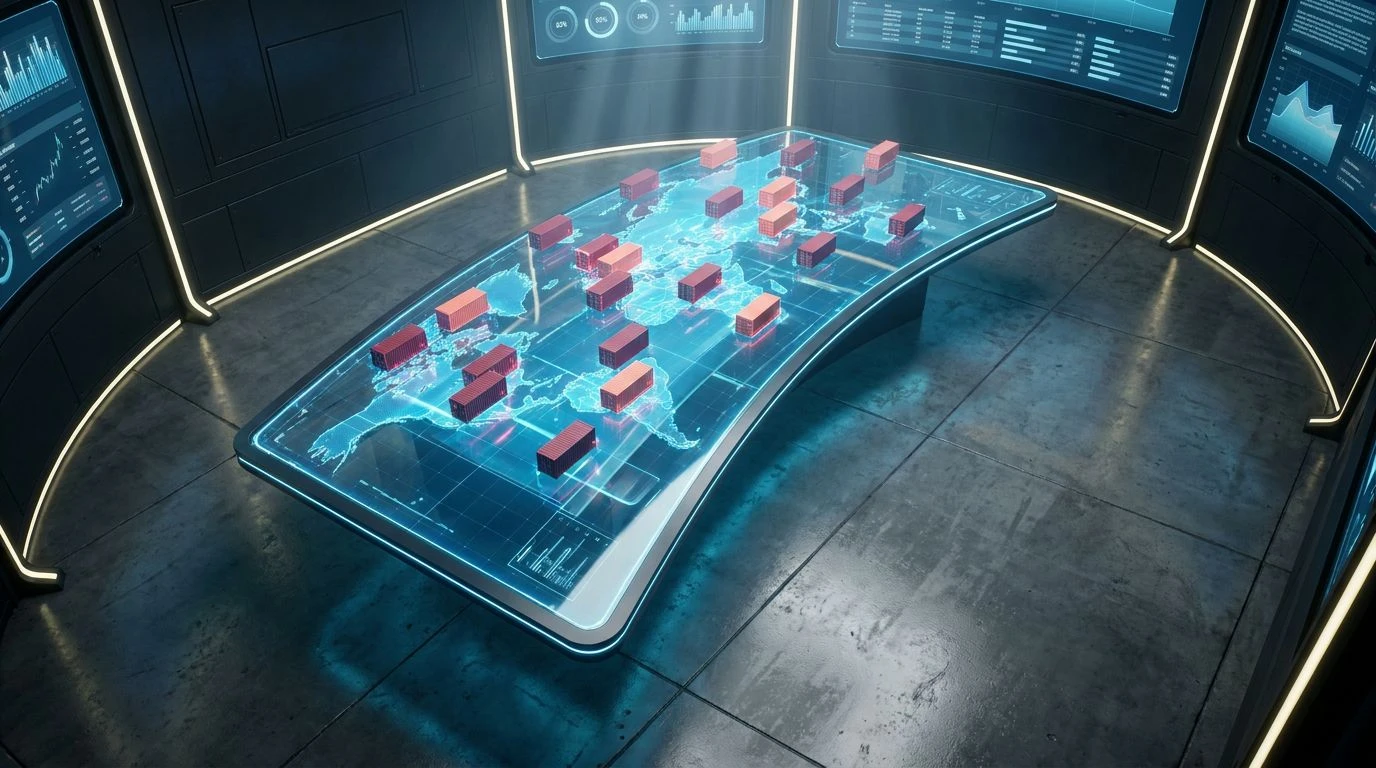
The genius of Sedimentary Interface lies in its quiet refusal to shout. Rather than relying on sharp neon indicators or aggressive metallic finishes, this selection draws from the quiet durability of geology. Sunlit Cotto acts as the primary emotional anchor, a soft, washed terracotta that feels powdery to the touch, reminiscent of baked roof tiles in an old Italian village. It sits comfortably beside Pumice Stone and Linen White, colors that suggest unbleached fabrics and natural rock formations. Deep Basalt provides just enough heavy shadowing to keep the room from floating away entirely, while Polished Concrete offers a thoroughly modern, utilitarian baseline. For a 2026 space station, this translates to crew quarters that feel more like a high end spiritual retreat than a military installation. It trades the adrenaline of exploration for the necessary psychological comfort of simple, enduring, earthly materials.
As we stretch the boundaries of where we can physically live and how we manage our invisible assets, the aesthetics of the future are retreating toward something beautifully ancient. The cold, impenetrable laboratories of science fiction are quietly stepping aside for the dusty warmth of rural architecture. By introducing the raw, baked tones of clay and soil into highly technical environments, modern designers are acknowledging a simple truth about human psychology. We are not machines, and we cannot thrive inside machines without a little bit of dirt to anchor us. Whether orbiting miles above the atmosphere or navigating the abstract complexities of modern finance, the sight of terracotta and atmospheric blue reminds us of the planet we left behind, offering a necessary comfort in the face of the vast unknown.